
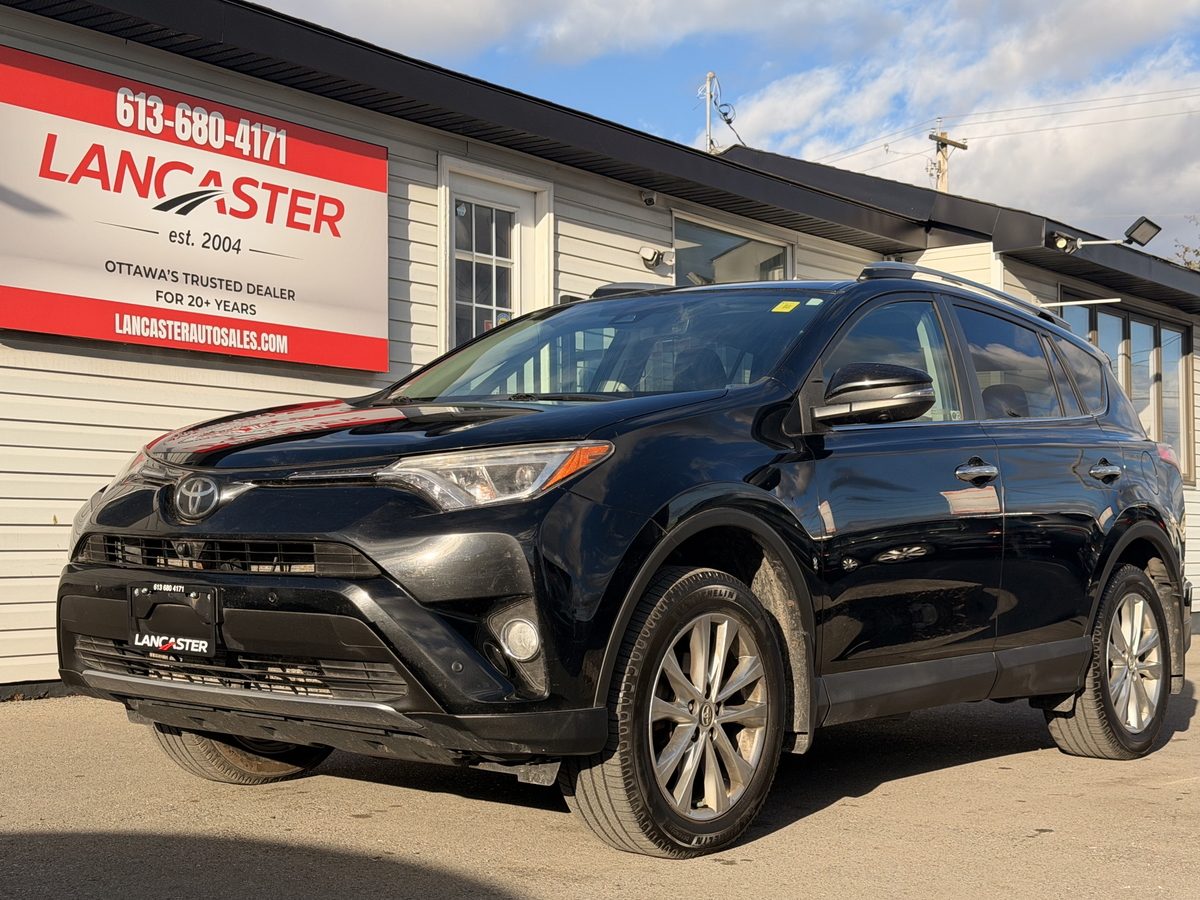
If you drive in Ottawa, winter isn't a season — it's half the year. The 417 at rush hour in January, an unplowed side street in Orléans, a February freeze-thaw in Kanata: the car that felt fine in September gets judged out there.
So when people ask us what makes a good used winter car, our answer surprises them a little: start with the tires, then talk about the car. Here's the plain version.
The short version
- Winter tires are the single biggest safety upgrade — they grip in cold weather, not just snow.
- AWD helps you get moving. It does not help you stop.
- After tires and AWD, shop condition: rust underneath, brakes, battery, and heat matter more than the badge on the back.
1. Winter tires decide how you stop
Transport Canada's guidance is simple: below about 7°C, all-season and summer tires start to lose elasticity and grip, while winter tires stay flexible. In Ottawa, that's roughly late October or early November — so if you're reading this now, it's time.
Three things worth knowing before you buy a car (or tires):
- Look for the mountain-and-snowflake symbol on the sidewall. "M+S" on an all-season is not the same thing.
- Winter tires go on in a set of four, matched in type and size — not just two on the drive wheels.
- Tread matters. Transport Canada advises against using tires worn close to 4 mm on snow-covered roads. A cheap car on worn tires is not a deal; ask about tire tread on any car you test drive, including ours.
Two legal notes, because Ottawa sits next to a border: winter tires are not mandatory in Ontario, but since January 2016 every Ontario auto insurer has had to offer a winter-tire discount — the amount and the dates are set by your insurer, so ask them. Quebec is different: if your car is registered in Quebec, winter tires are the law from December 1 to March 15.
2. What AWD actually does (and doesn't)
All-wheel drive sends power to all four wheels, which helps you pull away from a snowy intersection and climb an unplowed driveway. That's real, and for a lot of Ottawa drivers it's worth having.
What AWD does not do is shorten your stopping distance — that's tires and brakes. An all-wheel-drive SUV on worn all-season tires will stop worse in the cold than a front-wheel-drive car on good winter tires. Ground clearance is the other honest plus: it helps in deep, unplowed snow, and it's why SUVs are popular here.
So the order we recommend: good winter tires first, AWD second, and a realistic look at your commute third. A downtown commute on plowed arterials is a different purchase than a rural road outside Stittsville.
3. The types that work here
- Compact AWD SUVs — the sweet spot for most Ottawa families. Think RAV4, CR-V, Escape, Tiguan: manageable size, available AWD, reasonable fuel use.
- Three-row SUVs — Pilot, Santa Fe XL and similar, if you're hauling kids and hockey bags all winter.
- AWD cars and wagons — harder to find used, but they sit lower and drive like cars if you don't want an SUV.
One caution: AWD is trim- and year-specific. The same model can be front-wheel drive in one trim and AWD in another, so always confirm the drivetrain on the actual car you're looking at — it's listed on every vehicle's detail page on our site.
4. A used-car winter checklist
Whatever you buy, and wherever you buy it, check these before the snow flies:
- Rust underneath — Ottawa road salt attacks brake lines, fuel lines and subframes from the bottom up
- Tire type and tread depth (4 mm is the practical floor for winter)
- Battery — cold starts are its hardest job; ask its age and whether it's been tested
- Brakes — condition and feel on the test drive, not just the safety checklist
- Heat and rear defrost — you want both working before January, not during it
- Wipers and washer fluid rated for winter
- The CARFAX Canada report and service history — winter problems often show up as a pattern
5. Budget in plain numbers
A winter-ready budget is the car, plus 13% HST and licensing, plus a set of winter tires and rims if the car doesn't come with them, plus insurance. We post our prices as sticker + tax & licensing and we don't hide that math — run any car on our lot through the payment estimator on our homepage before you visit, and you'll know where you stand.
And every car we sell — at every price — leaves safety certified, with 6 months / 6,000 km of powertrain warranty included and a free CARFAX Canada report. That's not a winter special. That's just how we sell cars.
Common questions
Do I need AWD to drive in Ottawa?
No. Plenty of Ottawa drivers get through winter in front-wheel-drive cars on proper winter tires. AWD helps you get moving in snow and is worth it for unplowed streets and rural commutes — but tires come first.
Are winter tires mandatory in Ontario?
No. Ontario doesn't require them, though insurers here must offer a winter-tire discount. Quebec does require them (December 1 to March 15) on vehicles registered in Quebec.
When should winter tires go on in Ottawa?
When temperatures sit consistently below about 7°C — usually late October or early November here. Don't wait for the first snowfall; every tire shop in the city is booked solid that week.
Can I get a winter-ready SUV for under $20,000?
Yes — it's one of the most common purchases on our lot. Our SUVs Under $20,000 guide lists what's on the lot right now that fits, all safety certified with warranty included.
Browse the SUVs under $20,000, or call 613-680-4171, tell us your commute, and we'll have one warmed up at 1037 Belfast Rd.